Editor’s Note: This post was updated on July 15, 2026 for accuracy and comprehensiveness. It was originally published on October 13, 2021
Have you ever taken your blood pressure and thought, “Hmmm… that seems higher than usual"?
Blood pressure naturally changes throughout the day, but some readings can appear higher than they really are because of anxiety, cuff size, posture, caffeine, eating, or even a full bladder. So, what causes false high blood pressure readings? In many cases, the issue is not your actual blood pressure, but how, when, or where the reading was taken.
What is a Blood Pressure Reading?
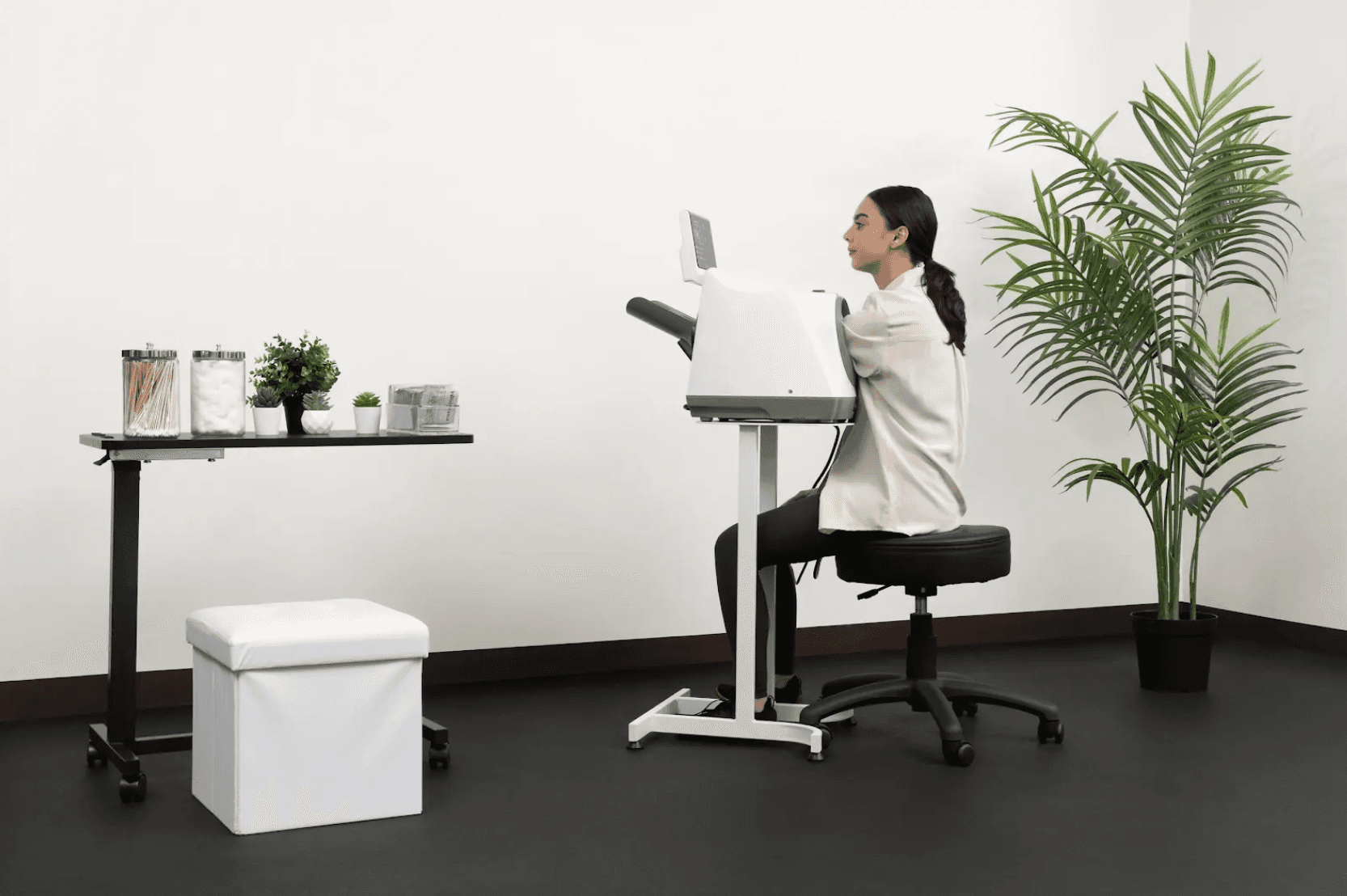
Blood pressure is a measurement of the amount of force exerted on your circulatory system. Arteries, veins, and capillaries are all circulatory vessels designed to transport blood around the body. Maintaining safe pressure in these vessels prevents damage and the risk of developing heart disease. Having high blood pressure can be dangerous to your overall health.
Blood pressure is represented by two numbers measured in millimeters of mercury (mmHg). Each of these numbers refers to a different measurement.
Systolic blood pressure (the top number) represents the amount of force exerted against your blood vessels during a heartbeat. This is the highest amount of pressure your vessels are exposed to, and elevated systolic pressure is associated with an increased risk of vessel damage.
Diastolic blood pressure (the bottom number) indicates how much force is being exerted on the vessels between heartbeats. Having high diastolic pressure is often accompanied by having high systolic pressure.
For example, in a reading of 120/80 mmHg, 120 is the systolic pressure, and 80 is the diastolic pressure.
What is Considered Normal for a Blood Pressure Reading?
The CDC outlines normal blood pressure levels to be 120 mmHg or less for systolic pressure and 80 mmHg or less for diastolic pressure (120/80). It is normal and healthy for your blood pressure to be higher or lower than these values throughout the day. Exercise, stress, nervousness, and excitement increase our blood pressure. Having a higher-than-expected blood pressure reading for a short period is normal and is not a cause for concern.
What Causes False High Blood Pressure Readings?
A high blood pressure reading can be unexpected, especially when numbers are usually within a normal range. In many cases, everyday habits and testing conditions can temporarily affect blood pressure or produce a reading that appears higher than it actually is.
Here are the 15 most common reasons blood pressure readings can be inaccurate.
Anxiety and Stress
Anxiety affects blood pressure readings because feeling nervous before a reading can cause a temporary spike in blood pressure. This often happens at doctors’ offices and is sometimes called “white coat syndrome.” Stress hormones increase your heart rate and tighten blood vessels, which can push your numbers higher for a short period.
Sitting quietly for a few minutes before checking blood pressure and taking two or three readings rather than relying on the first result may help reduce the impact of anxiety on the measurement.
Using the Wrong Blood Pressure Cuff Size
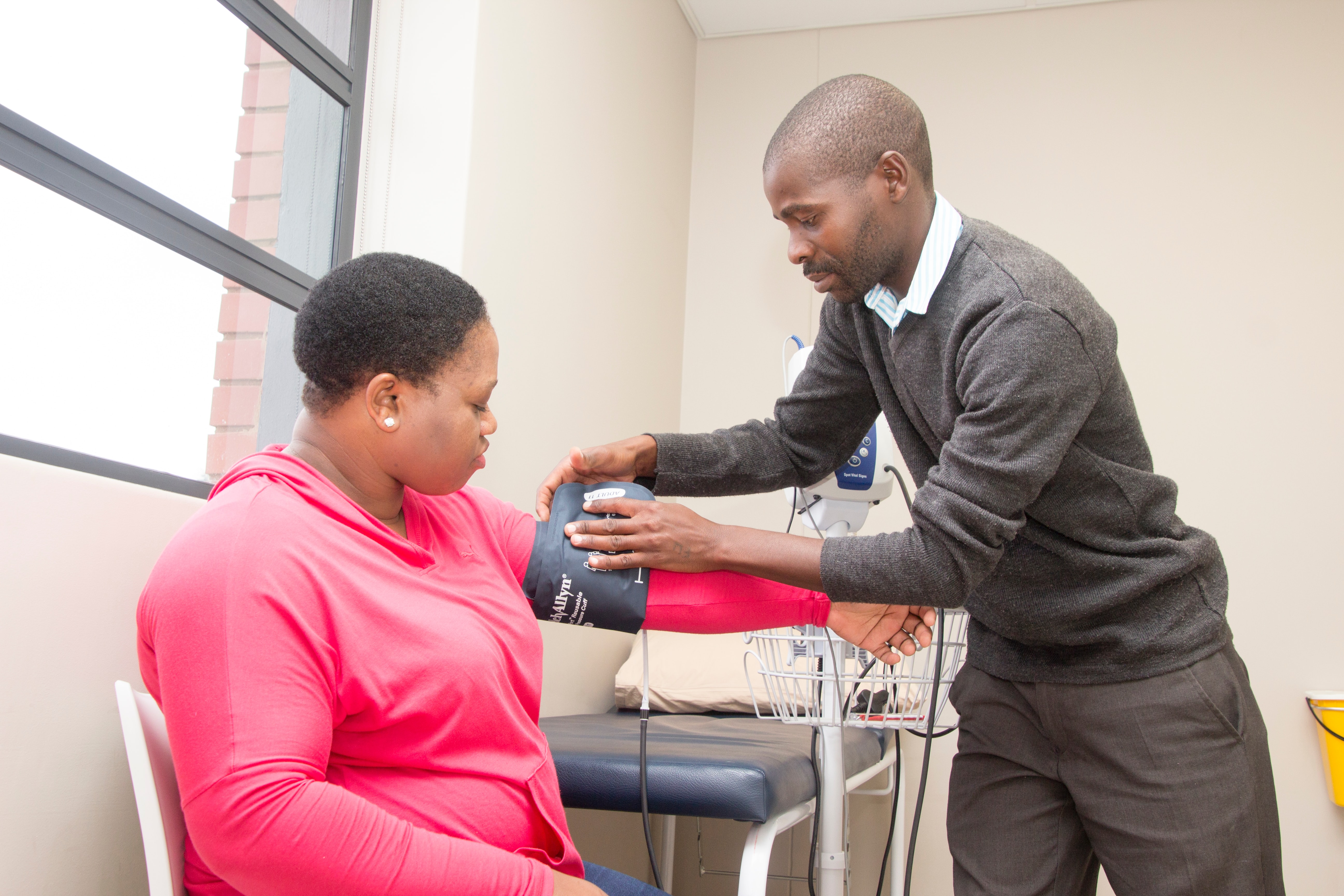
Can a cuff cause high readings? Well, yes. A cuff that is too small for your arm can squeeze too tightly and produce a falsely high reading.
Many home monitors come with a standard cuff size that may not fit everyone properly. If the cuff feels extremely tight or barely wraps around your arm, you may need a larger cuff for more accurate results.
Wearing the Cuff Too Tight
A cuff should fit snugly around your arm, though it should not feel painfully tight. Pulling the cuff too tight before starting the reading can increase pressure on the arm and affect the result.
A commonly used guideline is that one fingertip should fit under the cuff comfortably.
Placing the Cuff Over Clothing
Rolling a sleeve up too tightly or placing the cuff over thick clothing can interfere with blood flow and lead to inaccurate numbers. Blood pressure cuffs work best directly against bare skin.
Wearing loose sleeves or removing bulky layers before taking a reading can help improve accuracy.
Taking Blood Pressure With a Full Bladder
A full bladder can temporarily raise blood pressure by putting extra pressure on the body. In some cases, readings may increase by 10 mmHg or more.
Using the bathroom before checking your blood pressure is a simple way to improve accuracy.
Taking Blood Pressure After Eating
Blood pressure can shift after meals as your body directs blood flow toward digestion. Large meals, salty foods, and heavy carbohydrates may affect readings for a short time.
So, how long after eating should you wait to take blood pressure? Many healthcare providers suggest waiting at least 30 minutes after eating before taking your blood pressure at home.
Drinking Caffeine Before the Test
Coffee, energy drinks, pre-workout supplements, and other caffeinated beverages can temporarily raise blood pressure. Some people are more sensitive to caffeine than others, which means the effect can vary quite a bit.
Many healthcare providers suggest avoiding caffeine for at least 30 minutes before checking blood pressure.
Smoking Before the Test
Nicotine causes blood vessels to narrow, which can quickly increase blood pressure and heart rate. Smoking shortly before a reading may produce numbers that are higher than your normal baseline.
This includes cigarettes, cigars, vaping products, and nicotine pouches.
Drinking Alcohol Before the Test
Alcohol can affect blood pressure in different ways depending on the amount consumed. Shortly after drinking, blood pressure may rise temporarily, especially after multiple drinks.
For more reliable readings, avoiding alcohol before monitoring blood pressure is generally recommended.
Poor Posture
The way you sit during a reading makes a difference. Slouching, sitting without back support, or tensing your body can affect blood pressure measurements.
Sitting in a chair with back support and both feet flat on the floor, keeping the shoulders relaxed and remaining still during the reading, can help produce a more accurate result.
Incorrect Arm Position
Your arm should rest at about heart level during the test. If your arm hangs too low or is lifted too high, the reading can become inaccurate.
Resting your arm on a table or armrest often helps keep it in the right position.
Talking During the Reading
Talking may seem harmless, though it can raise blood pressure enough to affect the numbers. Conversation, laughing, or using your phone during a reading can interfere with the test.
Remaining quiet and still until the monitor finishes measuring is generally recommended for accurate results.
Crossing Your Legs
Crossing your legs can slightly increase blood pressure by affecting circulation and blood flow. It may not seem like a major change, though it can still alter the result.
Keeping both feet flat on the floor during the reading is generally recommended.
Measuring Right After Exercise or Walking
Physical activity naturally raises blood pressure for a short time. Climbing stairs, walking quickly, or exercising right before a reading may produce numbers that look unusually high.
Sitting and resting for at least five minutes before checking blood pressure is commonly recommended.
Taking the First Reading Only
The first reading is often the highest, especially if you just sat down, moved around, or felt anxious before testing. That is why many doctors recommend taking two or three readings with a minute between each one.
The average of multiple readings usually gives a more accurate picture of your blood pressure.
Why Is the First Blood Pressure Reading Usually Higher?
The first blood pressure reading is often higher because your body may not be fully relaxed yet. Walking, talking, adjusting the cuff, or feeling nervous about the result can temporarily raise your numbers.
Sitting quietly for five minutes before testing, then taking two or three readings about one minute apart, is generally associated with more reliable results. The average of those readings usually gives a more reliable picture than the first number alone.
If you notice different readings between arms, it may help to check both sides consistently each time you monitor your blood pressure.
How to Get an Accurate Blood Pressure Reading at Home
Taking blood pressure regularly at home can be a useful way to monitor for hypertension and assess treatment efficacy. That said, at-home monitoring offers many challenges for ensuring accurate, consistent readings. Here are some tips to increase the accuracy of at-home monitoring:
Take your reading at the same time of day when possible
Use the bathroom before you start
Sit quietly for about five minutes
Keep your back supported and feet flat on the floor
Rest your arm at heart level
Place the cuff on bare skin
Make sure the cuff feels snug, not painful
Stay quiet and still during the reading
Take two or three readings about one minute apart
Record the average instead of relying on one number
These practices apply to both manual and automatic blood pressure reading methods.
Manual vs Automatic Blood Pressure Monitors.
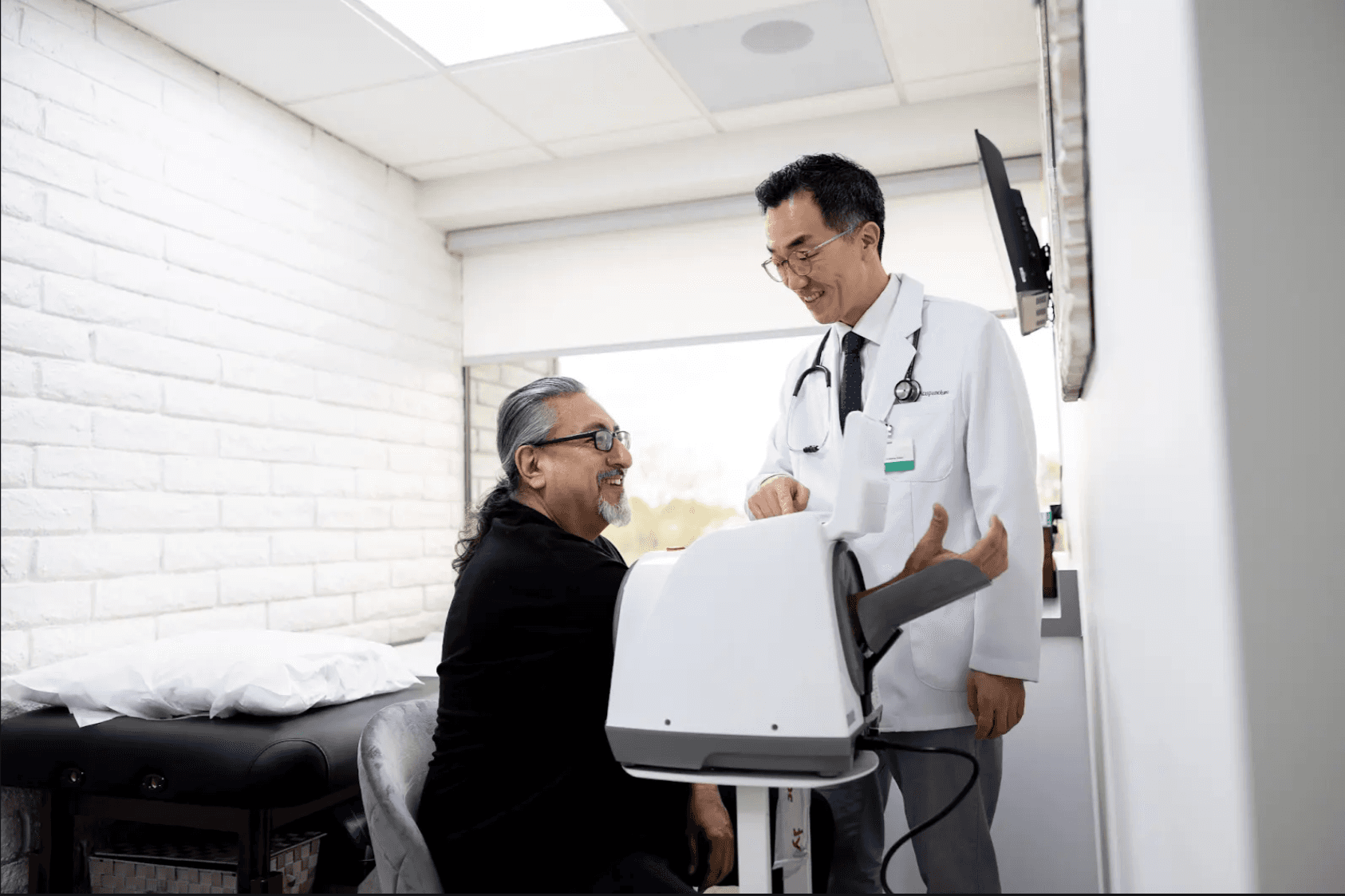
While automatic blood pressure devices are becoming more popular, some people still choose to check their blood pressure at home using the manual method. Both can be accurate, but they work a little differently.
Manual blood pressure readings are the traditional method, but require advanced technique and training for the best results. Manual blood pressure is also hard to perform on yourself.
Because manual blood pressure readings rely on human interpretation of heartbeat sounds throughout the measurement, the accuracy can significantly vary depending on the user. Manual blood pressure readings have higher values on average than automatic devices.
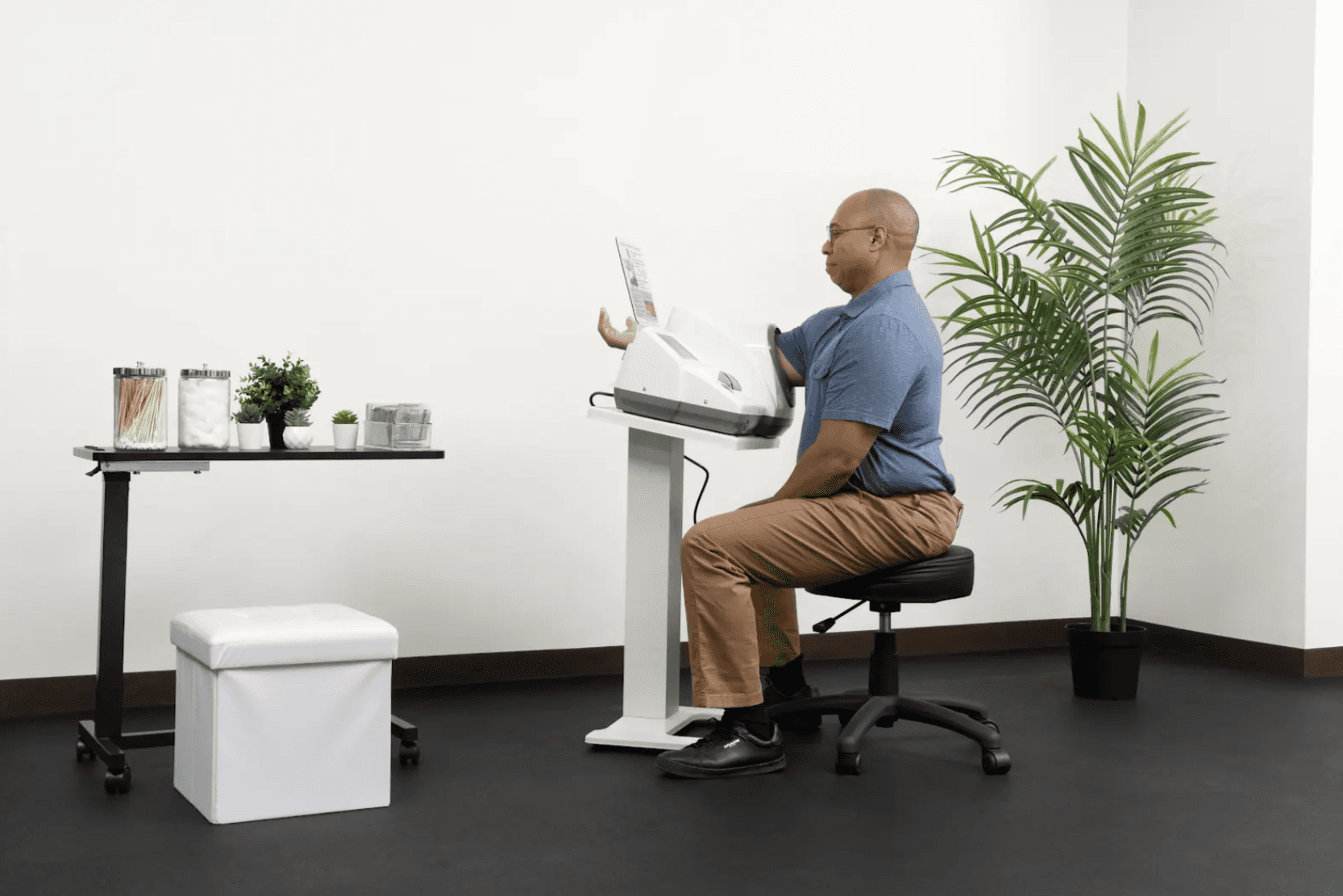
Automatic monitors are easier to use without assistance and display the reading for easy recording and understanding.
You’ll also find them, like the InBody BPBIO 320S, in many pharmacies, gyms, clinics, and medical offices.
When Should You See a Doctor About High Blood Pressure?
One high reading does not always mean you have hypertension. Try retaking your blood pressure after resting and using the correct technique.
If your readings stay high across several checks, or you often get numbers above your normal range, share your results with a healthcare provider. They can help confirm whether the readings are temporary, inaccurate, or a sign of high blood pressure.
Putting It All Together
False high blood pressure readings are common and can happen for simple reasons, such as stress, cuff size, posture, caffeine, eating, or checking your blood pressure too soon after activity.
Using the same routine each time, including resting beforehand, sitting properly, using the correct cuff size, remaining quiet, and taking more than one reading, is generally associated with more reliable results.
If blood pressure readings remain elevated across repeated checks, consulting a healthcare provider can help determine whether the readings are accurate and what they may indicate.